
Knowing when to choose between a standard rotary index table and a fully custom engineered indexing solution depends on the necessary design parameters your application requires and the environment you are manufacturing in. Engineering specifications our engineering manager will require based on your manufacturing process is the load, cycle time and how the system integrates with the rest of your automation.
Standard indexing systems deliver everything needed for efficient, repeatable automation. Custom indexing solutions benefit manufacturers when those applications move beyond those proven parameters.
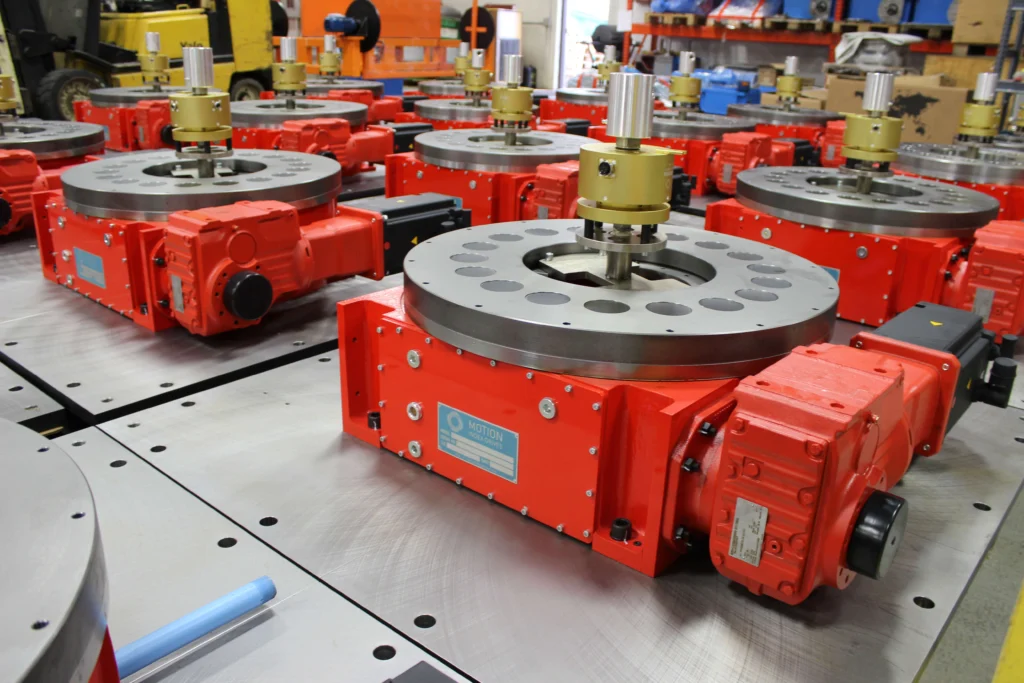
Standard cam driven rotary index tables — such as the RT and RTX series and the RTF and TMF automated rotary indexing systems— are ideal when your application fits within established indexing configurations and torque ranges.
If your system runs consistent index increments such as 4, 6, 8, 12, or 24 stations, a standard cam profile delivers excellent repeatability and smooth motion.
Most automated assembly, inspection, and packaging applications operate comfortably within standard rotary index table capacity ranges.
Standard models eliminate the need for extended engineering development, allowing manufacturers to reduce lead times and accelerate production launches.
Because standard units use established designs and components, there are no custom cam profiles or housing modifications, which helps keep upfront costs lower.
Standard cam index tables are used in thousands of installations worldwide. Their mechanical reliability and repeatability are already validated in real production environments.
Typical applications include:
Custom indexing systems are engineered for applications that go beyond the limits of standard configurations.
Some systems require non-standard index angles, extended dwell times, or modified acceleration curves to synchronize with other equipment.
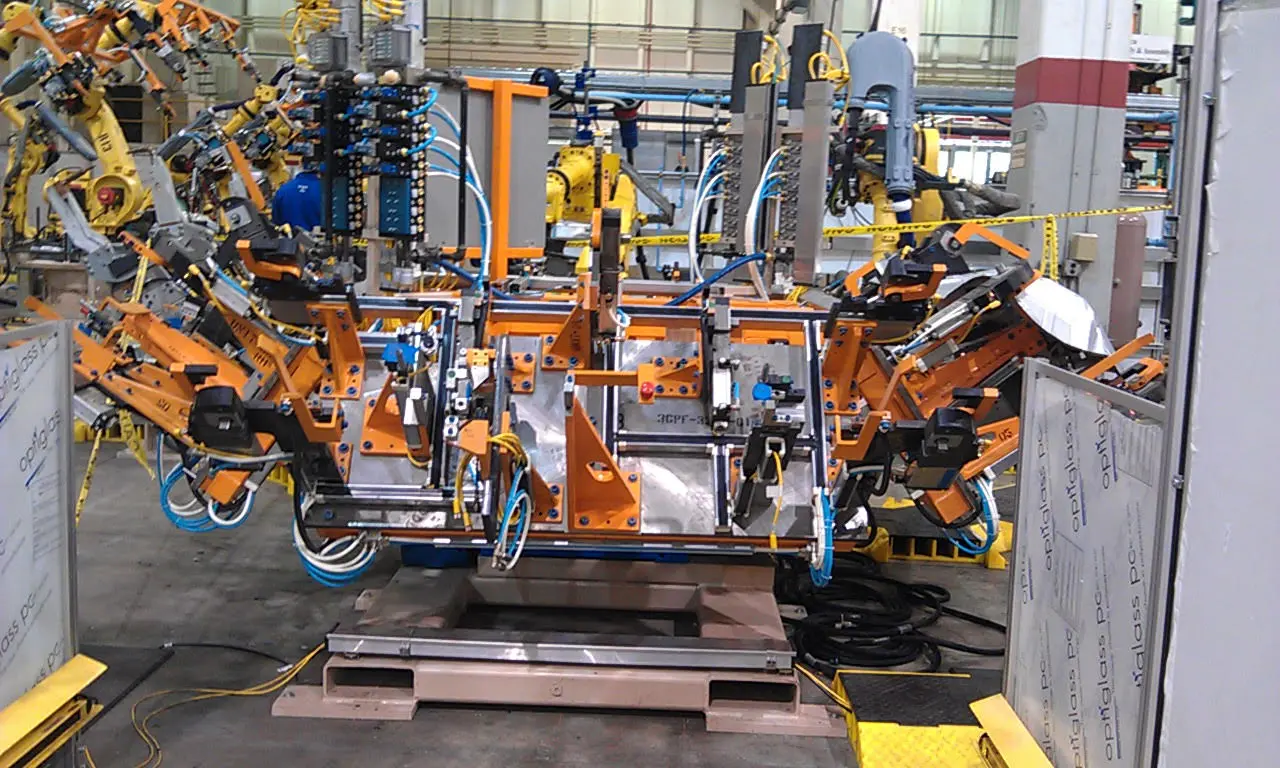
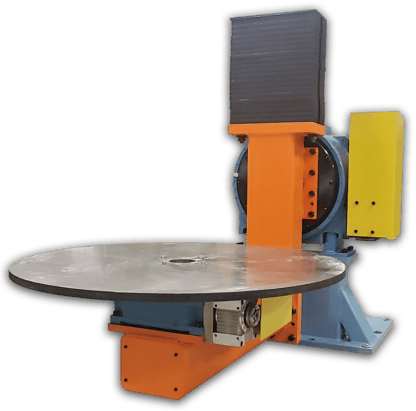
Large fixtures, robotic tooling, welding equipment, or heavy payloads may exceed standard torque capacities and require a custom heavy-duty design.
Machine layouts sometimes demand a modified footprint, unique mounting orientation, or specialized housing design to fit within the available space.
Harsh production conditions such as washdown environments, extreme temperatures, abrasive materials, or hazardous locations often require custom engineering.
Multi-axis automation cells involving robotics, welding systems, or EV battery manufacturing lines may require indexing systems engineered specifically for synchronization.
| Feature | Standard | Custom |
|---|---|---|
| Fixed index positions | ✔ | ✔ |
| Modified cam motion profile | — | ✔ |
| Heavy-duty torque capacity | Within catalog range | Engineered to specification |
| Lead time | Shorter | Longer |
| Engineering involvement | Minimal | Application-specific |
Selecting the right indexing platform often comes down to a few critical factors. Our applications engineers can help evaluate:
Contact an engineer to review your application:
[email protected]
248-743-9999
Or request a quote to determine the best rotary indexing solution for your production line.