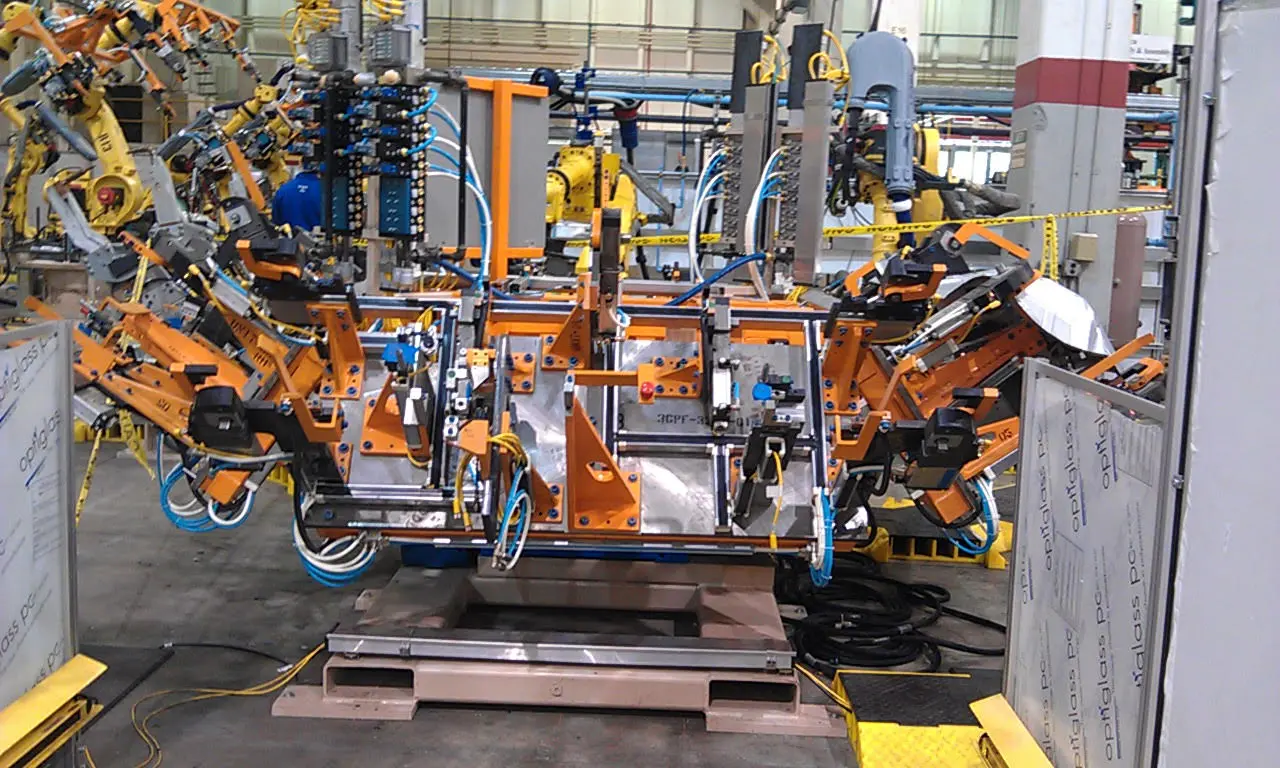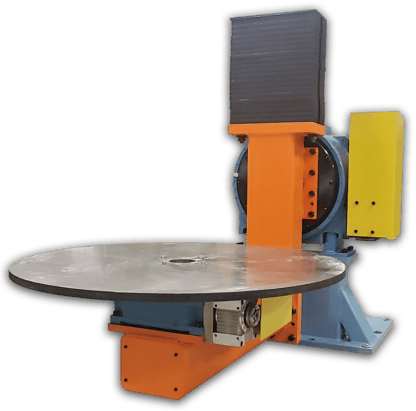

In 2026, many OEMs are rethinking how they build manufacturing lines. Instead of relying on fully custom automation systems, more companies are shifting toward standardized automation indexing platforms.
Pre-engineered rotary index tables make this possible by offering shorter lead times, faster integration, predictable pricing, and the flexibility to repurpose equipment when production needs change.
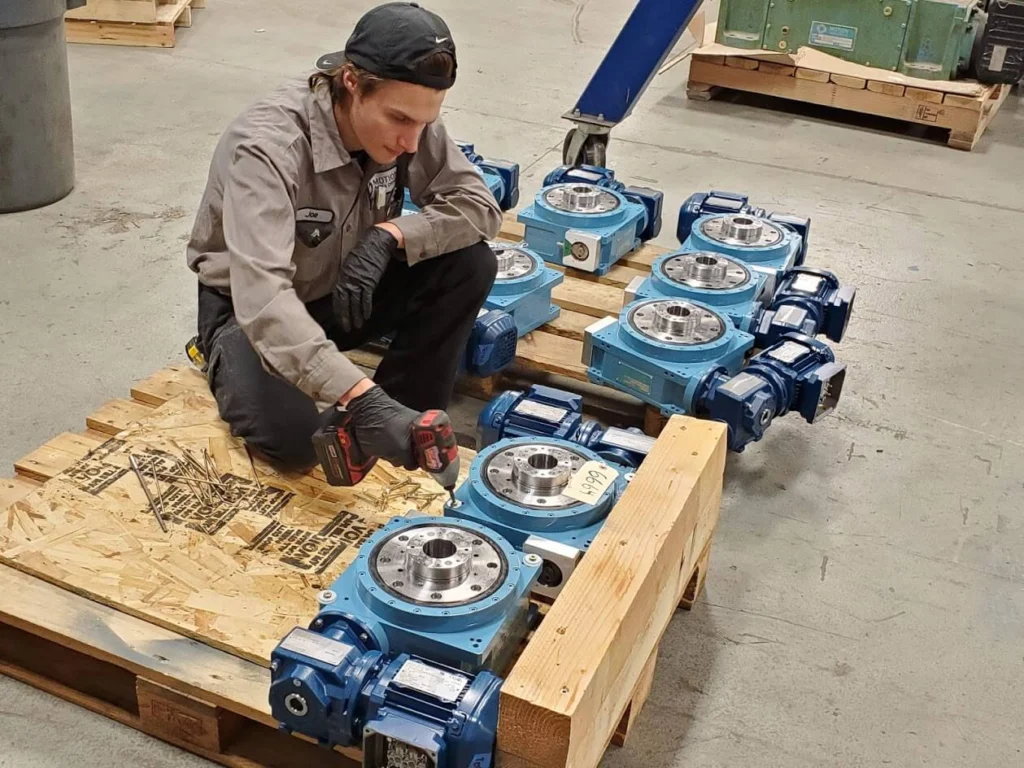
Standard rotary index tables for automation help OEMs bring production lines online faster. Because these systems are pre-engineered and built on proven designs, they can often bypass lengthy engineering approval cycles and reduce procurement delays.
This significantly shortens the time between placing an order and starting production. Learn more by reading our article on “How Standard Rotary Index tables Reduce Automation Leads Times.
Standardization also reduces risk during system integration. Engineers already know the performance capabilities, torque ratings, and indexing options, which makes it easier to design the rest of the automation cell around the platform.
Motion Index Drives further supports faster deployment by maintaining readily available inventory of both fixed and flexible rotary index tables.
Benefits include:
In contrast, fully custom rotary indexing systems require design approvals and often involve custom fabrications, tooling, or weldments that can extend project timelines. Read how standard rotary index tables allow for flexibility in your program.
Standard indexing tables integration is simplified because their specifications and interfaces are already defined. They are designed to fit within common automation architectures and can be deployed consistently across multiple production lines or facilities.
Standard platforms typically:
Custom systems, on the other hand, often require specialized controls, unique documentation, and custom programming. This can make replication across facilities slower and more complicated.
In today’s manufacturing environment, accurate capital planning is just as important as performance.
Standard rotary index tables provide something that fully custom solutions often cannot: predictable pricing and long-term cost stability. Custom automation systems usually require:
These factors can make project budgets difficult to predict. Standard product families, however, provide:
For OEMs scaling production or launching multiple lines, this pricing predictability can significantly reduce financial risk. Learn more if you need help deciding between standard vs. custom rotary index table platforms.
Speak with an Engineer
Have questions about selecting the right rotary index table for your application? Our engineering team can help you evaluate torque requirements, index counts, and integration options.
Contact Motion Index Drives today:
[email protected]
248-743-9999