

Choosing automated manufacturing equipment is more than just picking the biggest or most cost-effective machine. It’s about finding an industrial automation system that aligns with your process, layout, throughput, flexibility and future scalability. The right equipment will reduce footprint, simplify integration and deliver long-term performance.
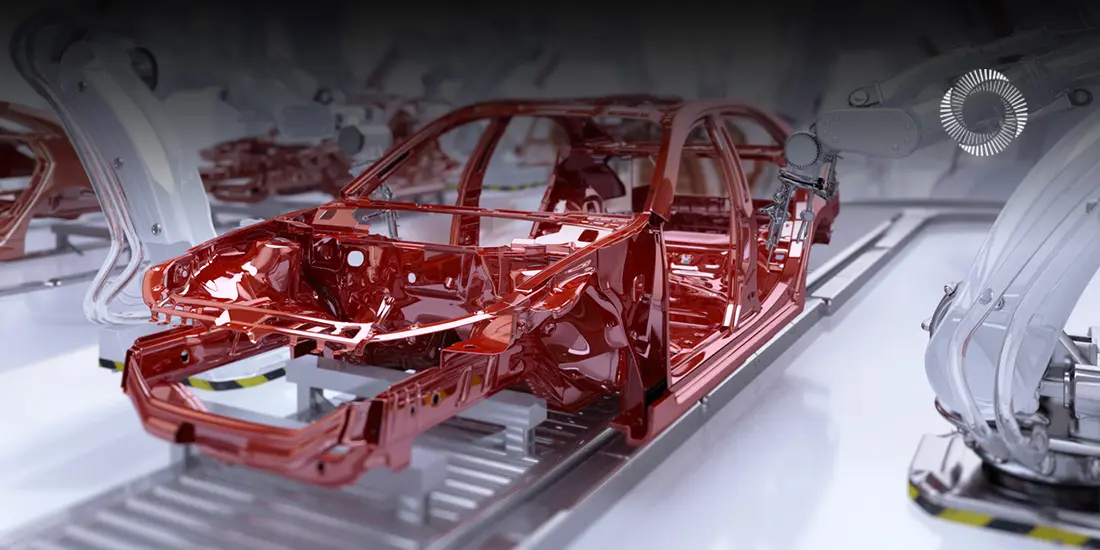
First, consider layout and footprint. If you’re using robotics or multiple stations, the equipment needs to fit into your plant without excessive space waste. Using a rotary index table with a robot mounted on a central column can save floor space and reduce setup time. Also, they highlight the benefit of linear indexing or conveyor-style equipment (precision link indexing conveyors) instead of large diameter tables when many stations are required—this helps maintain a compact footprint.

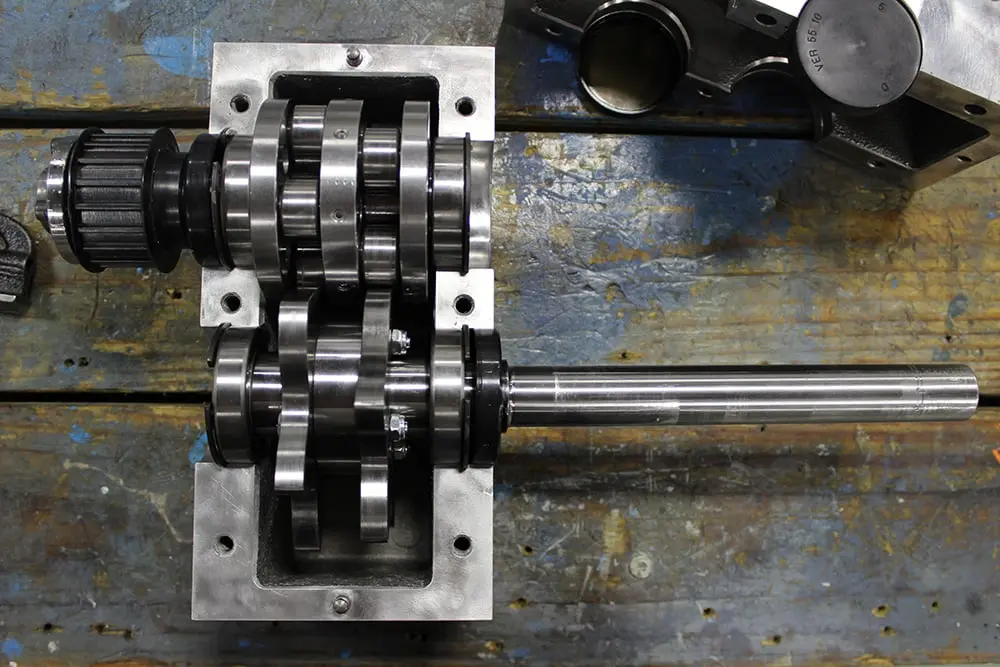
Next, evaluate motion type and indexing mechanics. Will your process benefit from a fixed-cam indexer, programmable cam indexer, lift-and-shift or lift-and-rotate mechanism? Fixed cam indexers provide cost benefits if the stroke and stops are known and won’t change, whereas programmable cam indexers add flexibility (multiple programs, variable stop locations) albeit at higher cost. If your product line changes often, flexibility matters. If the line is stable, a simpler mechanism may suffice.

Other critical factors in automation equipment selection is accuracy and repeatability. In precision manufacturing—especially in industries such as medical or electronics—your equipment must hold positioning tolerance over time and load. Precision indexing systems engineered by Motion Index Drives provide high accuracy in X, Y and Z directions when built as linear indexing conveyors. If your application involves welding, inspection or assembly, then the motion platform must be stable and precise.
Process integration is equally important. The right piece of equipment must support the tooling, robot or vision systems you plan to use. Tool Tray transfer units, robot transfer slides and lift-and-carry systems are available depending on whether you need material handling, tooling changeover or heavy load transport. When selecting equipment, ask: Does the manufacturer support integration of your downstream or upstream processes (robotic arms, vision inspection, testing stations)?

Maintenance, robustness and specification of the environment should not be overlooked. The article specifies that for lift & rotate or heavy load applications, a robust mechanism (fixed cam, mechanical synchronization) can reduce maintenance needs, integration cost and commissioning time. If your equipment must run continuously in harsh manufacturing environments, you need to pick equipment built for durability.
Finally, consider future flexibility and scalability. If your product mix will change, tooling will evolve, or you expect expansion of production, equipment that can adapt is preferable. The article highlights how programmable cam indexers allow multiple programs on a single rotary table (for example, part A and part B each with distinct tooling nests) and allow different indexing positions rather than fixed ones. This means you’ll have a system that can evolve rather than become obsolete.